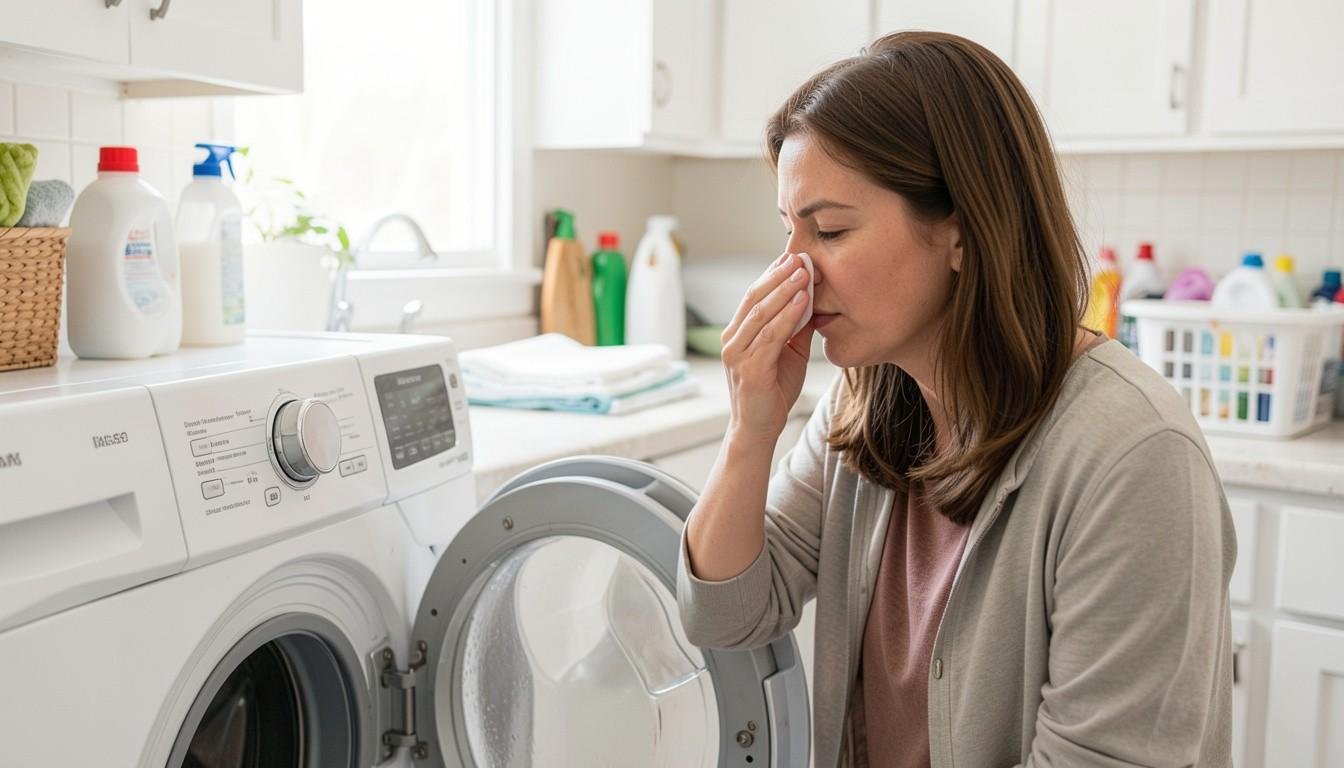
You open the washer to grab your clean laundry, and instead of fresh cotton, you get hit with a musty, damp smell. It’s not your imagination, and it’s not just your machine being old. That smell means mold and mildew have found a home inside your washer, and if you ignore it, your clothes will start smelling the same way.
Menifee’s hard water and long stretches of dry heat make this problem more common than most homeowners realize. Appliances here already work harder than they do in milder climates, similar to how your refrigerator works harder during Menifee summers, and your washer is no exception. The good news is that you can fix a musty washer and stop it from coming back with the right steps.
What Causes Washing Machine Mildew Smell? (The Real Science)
Your washer smells bad because it’s holding onto the exact conditions mold needs to grow: moisture, warmth, and food in the form of residue. Once you understand the specific cause behind your machine, cleaning it out gets a lot easier and you stop wasting time on fixes that don’t address the real problem.
Trapped Moisture: The #1 Root Cause
Every wash cycle leaves water behind in the drum, hoses, and rubber seals. If that water sits without airflow, it becomes the perfect breeding ground for mold within a day or two. This is the single biggest reason washers develop odor, regardless of brand or age.
Mold and Mildew Species That Grow in Washers
Black mold varieties like Cladosporium and Aspergillus commonly colonize washer gaskets. They show up as small black or dark green spots and produce that sharp, musty odor you notice as soon as you open the door. These species thrive in dark, damp spaces, which makes the inside of your washer an ideal home.
Detergent and Fabric Softener Residue Buildup
Soap and softener don’t always rinse away completely, and hard water makes this worse by leaving mineral deposits that mix with leftover detergent. Over time, this combination builds a sticky film called biofilm on the drum walls, and bacteria feed on that film to create odor. Our guide on how Menifee’s hard water affects your dishwasher and washing machine breaks down exactly how local water quality speeds up this buildup.
Cold-Water Cycles and Why They Don’t Kill Bacteria
Cold water saves energy, but it doesn’t get hot enough to break down oils, softener residue, or bacteria. If you almost always wash on cold, you’re giving mildew an easier path to grow, even if your clothes come out looking clean.
HE Detergent Misuse in High-Efficiency Machines
High-efficiency washers need low-sudsing HE detergent. Regular detergent creates excess foam that doesn’t rinse out fully, leaving behind the same residue that feeds mold. Checking your detergent bottle for the HE label takes a few seconds and prevents a recurring problem.
Front-Load vs. Top-Load Washers: Which Smells Worse and Why
Both washer types can develop mildew, but front-loaders tend to have it worse because of how they’re built and sealed.
The Rubber Door Gasket Problem in Front-Loaders
Front-load washers use a tight rubber seal to keep water inside the drum during the wash. That same seal traps water in its folds after the cycle ends, and it rarely dries on its own because the door creates an airtight environment.
Why Top-Load Machines Are Less Prone (But Not Immune)
Top-load washers get more airflow since they don’t rely on a sealed door, so moisture evaporates faster. They still develop odor issues from detergent buildup and dirty dispensers, just less often and usually at a slower pace.
5 Warning Signs Your Washer Has a Mildew Problem
You don’t need to guess whether your washer has a mildew issue. These signs make it obvious, and catching them early keeps the fix simple. Odor complaints are actually one of the most common appliance repair calls we get in Menifee, so you’re far from alone if you’re dealing with this right now.
Musty Smell in Clean Clothes and Towels
If your towels smell damp right out of the dryer, the odor started in the washer, not the dryer. Drying doesn’t remove mold spores that were already transferred during the wash.
Black Spots in the Door Seal or Gasket Folds
Pull back the folds of your door gasket and look closely. Dark spots hiding in the creases are mold, not dirt, and they spread quickly if left alone.
Slimy or Grayish Residue Inside the Drum
A greasy film on the drum or agitator means detergent buildup has turned into biofilm, and it needs a deep clean before it gets worse.
Slow Draining or Standing Water
Water that lingers in the drum after a cycle finishes points to a clogged filter or drain line, both of which encourage mold growth by keeping conditions damp longer than they should be.
Sewage-Like Smell (When It’s Not Mildew)
If the smell is closer to rotten eggs or sewage than must, the problem may be your home’s plumbing rather than the washer itself, especially if there’s no P-trap on the drain line.
Where Mildew Hides: The 5 Most Overlooked Spots
Most people clean the drum and call it done, but mildew usually hides somewhere else entirely, and skipping these spots is why the smell keeps coming back.
The Rubber Door Boot/Gasket
This is the single most common hiding spot, especially in front-loaders. Lint, hair, and coins collect here along with standing water, creating layers of grime over time.
The Detergent Dispenser Drawer
Softener and detergent leave a sticky coating in the drawer that most homeowners never clean, and it grows mold fast because it’s rarely exposed to airflow.
The Drain Pump Filter (Coin Trap)
This small filter at the bottom front of your machine catches debris before it reaches the pump. Left uncleaned, it holds stagnant water that smells terrible and can eventually slow your washer’s drainage.
Behind the Drum (Outer Tub)
Odor can build up in the outer tub, which sits behind the part of the drum you can see and reach. This area needs a full hot-water cleaning cycle to flush out properly since you can’t access it by hand.
Water Inlet Hoses and Standpipe
A kinked hose or a standpipe that sits too low can leave water in the machine after every cycle, keeping conditions damp around the clock and giving mold a constant water source.
How to Clean a Moldy Washing Machine: Step-by-Step DIY Guide
You can handle most washer odor problems yourself with a few basic supplies and about an hour of your time, including a short soak period for stubborn spots.
What You’ll Need
Grab white vinegar, baking soda, a soft-bristle brush or old toothbrush, microfiber cloths, and rubber gloves. Skip anything with strong chemicals until you know what you’re dealing with, since some cleaners react badly when combined.
Step 1: Deep Clean the Gasket and Door Seal
Pull back every fold in the rubber gasket and wipe it out with a cloth dipped in vinegar. Use the toothbrush to reach tight corners where mold likes to hide, and don’t rush this step since it’s usually the source of the worst odor.
Step 2: Run a Hot Water/Vinegar or Tub Clean Cycle
Pour two cups of white vinegar into the empty drum and run the hottest, longest cycle your washer offers, or use the built-in Tub Clean setting if you have one. This flushes out the parts of the machine you can’t reach by hand.
Step 3: Clean the Detergent Dispenser
Remove the drawer if possible and scrub it in warm soapy water. Rinse the compartment inside the machine too, since residue collects there as well and gets missed during regular cleanings.
Step 4: Flush and Clear the Drain Pump Filter
Unplug the washer first, place a towel and shallow pan underneath, and unscrew the filter slowly since water will spill out. Clear out any lint, coins, or debris before screwing it back in tightly.
Step 5: Wipe Down and Air-Dry the Drum
Once everything is clean, wipe the drum dry with a microfiber cloth and leave the door open so it can air out completely before your next load.
Vinegar vs. Bleach vs. Commercial Cleaning Tablets
Vinegar works well for regular maintenance and mild odor. Bleach handles stubborn mold spots but isn’t recommended for every front-load model, so check your owner’s manual first. Commercial washer cleaning tablets are built specifically for this job and often reach spots a vinegar cycle can’t.
Safety Warning: Never Mix Bleach and Vinegar
Combining bleach and vinegar creates chlorine gas, which is dangerous to breathe in an enclosed laundry room. Pick one cleaning method per session and stick with it, and make sure the room is ventilated while you clean.
When to Call a Professional Instead of DIY
Some washer odor problems go beyond what a home cleaning routine can fix, and that’s when it’s worth bringing in a technician before the issue gets worse.
Persistent Odor After Multiple Deep Cleans
If the smell keeps coming back after two or three thorough cleanings, the mold has likely reached parts of the machine you can’t access on your own.
Mold Growth Behind or Inside the Outer Tub
This area sits behind the visible drum and isn’t reachable without partially disassembling the machine, which is a job for a trained technician with the right tools.
Drainage, Leveling, or Standpipe/Plumbing Issues
If your washer isn’t draining fully or the standpipe height is wrong, water will keep collecting no matter how often you clean, and the odor will return within days.
Damaged or Torn Gasket Needing Replacement
A cracked or torn gasket won’t hold up to cleaning and needs full replacement to stop leaks and mold from returning. If you’re not sure whether your seal is beyond saving, the same warning signs we cover in our refrigerator door seal test guide apply here too, since gasket wear looks similar across appliances.
Risks of DIY Repairs
Taking apart your own washer risks voiding your warranty, damaging internal parts, or creating a shock hazard if you’re not familiar with the wiring. If you’re past the point of a simple clean, reach out to our team and we’ll diagnose the actual source of the smell before it turns into a bigger repair.
How to Prevent Washing Machine Mildew for Good
A few small habit changes make a bigger difference than any cleaning product, and they cost nothing to put into practice.
Leave the Door and Detergent Drawer Open Between Loads
This single habit does more to prevent mildew than anything else. Airflow dries out the drum and seal before mold has a chance to grow. It’s the same logic behind why AC units in Riverside County fail faster without regular maintenance: skipping small, consistent upkeep steps leads to bigger problems down the line.
Use the Correct Detergent Type and Amount
Stick to HE detergent in high-efficiency machines and measure it out instead of eyeballing it. Extra detergent doesn’t clean better, it just leaves more residue behind for mold to feed on.
Skip or Limit Fabric Softener
Softener coats fabric and your washer drum in a waxy film that mold clings to. Cutting back, or skipping it entirely, keeps buildup down and reduces how often you need to deep clean.
Remove Wet Laundry Promptly
Wet clothes left sitting in the drum for hours will start smelling musty on their own, and that smell transfers to the machine and every load after it.
Monthly Maintenance Cycle Checklist
Run an empty hot cycle with vinegar or a cleaning tablet once a month, wipe the gasket dry after each use, and check the drain filter every few months to stay ahead of buildup.
Health Risks of Mold in Your Washing Machine
Beyond the bad smell, washer mold can affect your health if it’s left untreated for too long, especially for households with kids or anyone with existing sensitivities.
Can Washer Mold Trigger Allergies or Respiratory Issues?
Mold spores can irritate allergies and sensitive airways, especially for people with asthma or existing respiratory conditions. Symptoms can be subtle at first, like mild sneezing or a scratchy throat.
Is It Safe to Keep Washing Clothes in a Moldy Machine?
Clothes washed in a moldy machine can pick up spores and residue, which defeats the purpose of washing them in the first place and can make odor problems worse throughout your home.
When to Stop Using the Machine and Call a Repair Technician
If you notice ongoing skin irritation, breathing discomfort, or a smell that won’t go away, stop using the washer and get it inspected before continuing to run loads through it.
Washing Machine Repair Costs in 2026: What Menifee Homeowners Should Expect
Understanding typical repair costs helps you decide when it makes sense to fix your washer versus replace it entirely.
Average Cost to Clean/Repair a Gasket or Seal
Gasket cleaning is often included in a service visit, while full gasket replacement runs higher depending on the make and model of your machine.
Drain Pump and Filter Repair Costs
Clearing or replacing a clogged drain pump filter is one of the more affordable fixes on this list and often solves persistent odor issues on its own without touching any other part.
Repair vs. Replace: The 50% Rule Explained
A common rule of thumb in the appliance industry is that if a repair costs more than half the price of a new washer, replacement usually makes more financial sense. For a closer look at how that math plays out locally, check our breakdown on appliance repair costs in Menifee versus buying new.
How Long Should a Washing Machine Last?
Most washing machines last around 10 to 11 years with proper care, though some high-end models run longer when maintained on a regular schedule.
Local Labor Rates and Service Call Fees in Menifee, CA
Local labor rates vary by the complexity of the repair and how quickly you need service. A diagnostic visit gives you an accurate number before any work begins, so you’re never guessing at cost.
Commercial and Multi-Unit Considerations for Business Owners
If you manage rental properties, an HOA, or a laundromat, washer odor is more than an inconvenience. It’s a reputation problem that shows up in reviews before anyone tells you directly.
Why Mildew Odor Is a Bigger Liability for Laundromats, Rentals, and HOAs
Tenants and customers notice a musty smell right away, and it often gets mentioned online long before it gets reported to management. The same preventive mindset applies to your building’s climate systems too, which is why we put together a guide on commercial HVAC maintenance for Menifee small businesses covering how small, regular checkups protect both equipment and reputation.
Preventive Maintenance Contracts vs. Reactive Repairs
Scheduled maintenance catches small problems, like a clogged filter, before they turn into a machine that’s down for days. This approach applies across your whole property, not just laundry equipment. Our seasonal HVAC checklist for preparing your Menifee home for summer heat follows the same idea: staying ahead of small issues on a set schedule saves money compared to waiting for something to break.
Protecting Tenant/Guest Satisfaction and Online Reviews
A well-maintained laundry unit keeps tenants happy and protects your online reputation, which matters just as much as the repair bill itself.
A musty washer isn’t something you have to live with, and most of the time, it’s fixable with the right cleaning routine and a few habit changes. If the smell keeps coming back no matter what you try, it’s worth getting a second opinion before the problem gets more expensive. Our team at Appliance Repair Menifee handles washer diagnostics, gasket replacements, and full appliance repairs across the area, so you can get your laundry routine back on track without the guesswork.