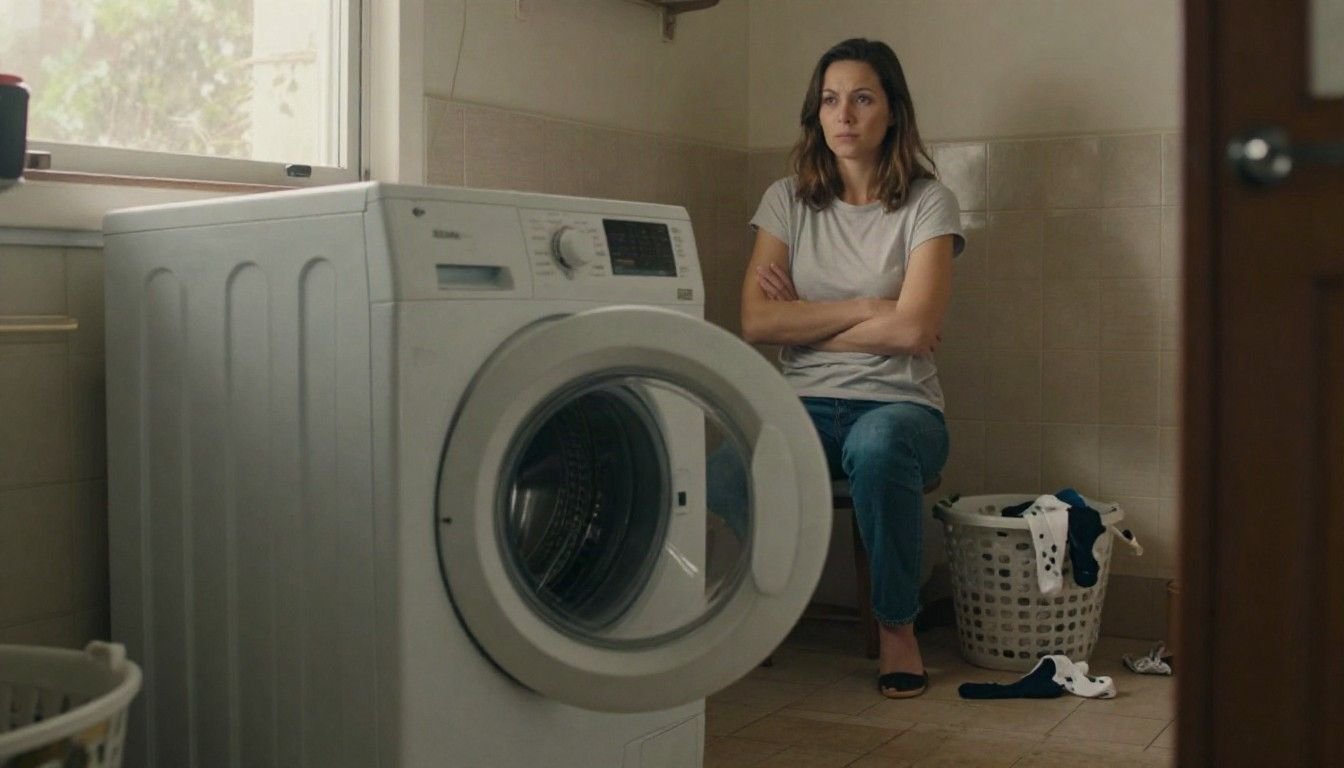
You hear it before you see it. A loud thud, then another, then the unmistakable sound of your washer scooting a few inches across the laundry room floor. Maybe you shrug it off and figure it will settle down once the load finishes.
That instinct to ignore it is exactly what turns a simple fix into an expensive repair, or worse, a safety hazard in your home. Here’s what’s actually happening when your washer shakes or walks, and why waiting it out is the wrong move.
That Banging Noise Is Not Just Annoying
A washer that shakes or moves during the spin cycle is telling you something specific about what’s wrong inside it. Understanding the difference between normal and dangerous vibration is the first step to protecting your home and your machine. This kind of issue is common enough that it shows up regularly among the most common appliance repair calls we get in Menifee.
Quick Answer Summary
A shaking or walking washer usually points to an unbalanced load, an unlevel machine, worn suspension parts, or failing drum bearings. Left unaddressed, this vibration can loosen hoses, damage flooring, stress electrical connections, and eventually cause the washer to tip or collide with nearby cabinets. Most causes are fixable, but ignoring the problem almost always makes the repair more expensive.
Normal Vibration vs. a Genuine Warning Sign
Some vibration during a high-speed spin cycle is completely normal, especially in newer high-efficiency machines. What’s not normal is violent shaking, loud banging, or a washer that physically moves across the floor, even with a properly balanced load. That kind of movement means something mechanical needs attention.
Why Your Washing Machine Shakes or “Walks” Across the Floor
Before you can fix the problem, it helps to know what’s actually causing it. These are the most common reasons a washer starts shaking or moving during a cycle.
Unbalanced or Overloaded Wash Load
When clothes clump together on one side of the drum, especially bulky items like a comforter or a rug, the weight distribution throws the whole machine off center during spin. This is one of the most frequent and easiest causes to fix.
Unlevel Washer or Uneven Flooring
A washer that isn’t sitting perfectly level rocks back and forth as spin speed increases, and that rocking can quickly escalate into full shaking or walking. Uneven flooring underneath the machine makes this worse, even if the washer itself is properly adjusted.
Worn Suspension Rods or Shock Absorbers
Front-load washers rely on suspension rods and shock absorbers to keep the drum stable during high-speed spinning. Once these parts wear out, the drum has nothing to stabilize it, and vibration becomes much more noticeable.
If you’re deciding between washer types and want to know which one tends to hold up better long term, our comparison on front load vs. top load washers and which is easier to repair covers that in more detail.
Leftover Shipping Bolts After a New Installation
If you recently bought a new washer or moved, shipping bolts left in place can prevent the drum from moving properly, causing forceful shaking that has nothing to do with wear or age. This is a common oversight on new installations.
Worn Drum Bearings
The bearing allows the inner drum to rotate smoothly on its shaft. As bearings wear down, you’ll often notice a grinding or rumbling sound before the shaking becomes severe. This is one of the more serious causes on this list and usually requires professional repair.
The Real Dangers of Ignoring a Shaking or Walking Washer
A shaking washer isn’t just a noisy inconvenience. Left unaddressed, it creates a chain of problems that go well beyond the machine itself.
Structural Damage to the Drum, Bearings, and Suspension
Continuous violent movement puts stress on internal components that were never designed to handle that kind of force repeatedly. Over time, this accelerates wear on the drum, bearings, and suspension system, turning a minor issue into a major repair.
Water Leaks and Flooding from Loosened Hoses
Constant vibration can loosen inlet and drain hose connections. What starts as a slow drip can eventually become a full leak or burst hose, leading to water damage in your laundry room and potentially the rooms nearby.
Loose or leaking connections can also create the kind of trapped moisture that leads to a musty washer, which we cover in our guide on why your washing machine smells like mildew and how to fix it.
Electrical Hazards from Frayed Wiring and Loose Connections
Repeated shaking stresses internal wiring and electrical connections. Over time, this can fray insulation or loosen connectors, creating a risk of electrical faults. This is one of the reasons professional inspection matters once shaking becomes severe or persistent.
Physical Injury Risk from a Washer Tipping or Colliding
A washer that walks across the floor can collide with walls, cabinets, or nearby furniture. In more extreme cases, a top-heavy machine that shakes violently enough can tip, which becomes especially dangerous in homes with kids or pets nearby.
Damage to Your Flooring and Surrounding Cabinetry
The repeated impact from a walking or banging washer can scratch, dent, or crack flooring and nearby cabinets. This kind of cosmetic damage adds up, especially if the shaking continues for weeks before anyone addresses it.
Warning Signs You Should Never Ignore
Not every vibration means disaster, but certain signs tell you it’s time to stop and investigate rather than finish the load and hope it doesn’t happen again.
Grinding or Squealing Noises During Spin
A grinding or high-pitched squealing sound during the spin cycle usually points to worn bearings, and this is not something that resolves on its own.
The Washer Moving Away From the Wall
If you find your washer several inches from where you left it after a cycle, that’s a clear sign the shaking has moved from minor to serious.
Banging Loud Enough to Hear From Other Rooms
Vibration that’s loud enough to hear through walls or from another floor of your home indicates the imbalance or mechanical issue has gotten significantly worse.
Vibration That Happens Even With Balanced Loads
If you’ve already ruled out an unbalanced load and the shaking continues, the cause is almost certainly mechanical, whether that’s leveling, suspension, or bearings. If your washer is also struggling to spin properly on top of the shaking, our guide on why your washing machine won’t spin covers a closely related issue worth ruling out.
What to Do the Moment Your Washer Starts Shaking Violently
If your washer starts shaking hard mid-cycle, don’t wait for it to finish. Taking a few quick steps right away can prevent damage to your home and your machine.
Stop the Cycle and Unplug the Machine
Pausing the cycle isn’t enough. Stop it completely and unplug the washer from the wall before you do anything else, especially if the shaking is severe.
Check for an Unbalanced or Overloaded Drum
Open the washer and check whether clothes have bunched up on one side. Redistribute the load evenly and consider removing a few items if the load is too full.
Test the Washer’s Level With a Simple Check
Press down firmly on each corner of the washer. If it rocks noticeably, it’s not level, and adjusting the leveling feet may solve the problem immediately.
Inspect for Shipping Bolts or Loose Leveling Feet
If your washer is newly installed, check the back panel for shipping bolts that should have been removed before first use. Also check that the leveling feet are properly locked in place with their nuts tightened.
When a Shaking Washer Signals a Bigger Mechanical Problem
Sometimes the basic checks don’t solve anything, and that’s a sign the issue runs deeper than load balance or leveling.
How to Tell If It’s the Suspension System
If your washer rocks excessively even when level and properly loaded, worn suspension rods or shock absorbers are the likely cause, especially on front-load models that rely heavily on this system.
How to Tell If It’s the Drum Bearings
A grinding or rumbling noise that gets louder as spin speed increases points to bearing wear. You can sometimes confirm this by unplugging the washer and manually spinning the empty drum. If it feels rough or resistant, the bearings are likely failing.
Why These Repairs Should Not Be a DIY Project
Suspension and bearing repairs require disassembling the washer’s outer frame and drum, which is not a simple weekend project. Attempting this without the right tools or experience risks damaging the machine further or creating a safety hazard.
Repair Costs in 2026: Suspension, Bearings, and Beyond
Understanding what these repairs typically cost helps you decide whether fixing the washer makes financial sense.
Cost to Replace Suspension Rods or Shock Absorbers
Suspension repairs are generally a moderate expense compared to other washer repairs, since the parts themselves are inexpensive but labor involves some disassembly.
Cost to Replace Drum Bearings
Bearing replacement tends to be one of the more expensive washer repairs, often running several hundred dollars once parts and labor are factored in, since the technician has to access the inner drum.
When Repair Costs Signal It’s Time to Replace the Washer
If your washer has already needed other repairs recently, or if the bearing replacement estimate starts approaching half the cost of a new machine, replacement usually makes more sense. Our guide on appliance repair costs in Menifee versus buying new can help you compare the numbers for your specific situation.
How to Prevent Shaking and Walking Before It Starts
Most of these problems are preventable with a few consistent habits, and none of them require special tools or expertise.
Load and Balance Your Washer Correctly
Spread clothes evenly around the drum and avoid washing a single bulky item alone whenever possible. Mixing large items with smaller ones helps distribute weight more evenly during spin.
Level Your Washer the Right Way
Use a level to check that your washer sits evenly from side to side and front to back, then adjust the leveling feet as needed and lock them in place.
Don’t Skip the Post-Installation Checklist
Whenever you install a new washer or move an existing one, double check that shipping bolts are removed and the machine is properly leveled before running your first load.
Schedule Regular Maintenance Checks
Catching a worn suspension rod or an early bearing issue during a routine check costs far less than waiting until the washer starts shaking violently. The same principle applies to other systems in your home too, which is why we put together a seasonal HVAC checklist for preparing your Menifee home for summer heat that follows the same preventive approach.
Why This Matters More for Menifee Homeowners
Local housing conditions and daily laundry habits can make shaking and walking washers more common in this area than homeowners might expect.
Flooring Types Common in Menifee Homes and Vibration Risk
Many homes in Menifee sit on concrete slab foundations, which don’t flex the way older wood-frame flooring does. A washer that isn’t properly leveled on a hard, unforgiving surface tends to vibrate and walk more noticeably than one on a softer subfloor.
Why Delaying Repairs Costs Menifee Homeowners More Over Time
Between hard water buildup and heavier laundry loads common in larger households, Menifee homeowners often see washer components wear faster than average. Our guide on how Menifee’s hard water affects your dishwasher and washing machine explains how local water conditions add extra strain on internal parts over time, which makes catching vibration issues early even more worthwhile.
A shaking or walking washer is never something to wait out. Whether it’s a simple load imbalance or a sign your suspension system or bearings are wearing down, catching it early protects your home, your flooring, and your wallet.
If the shaking hasn’t stopped after trying the basics, our team at Appliance Repair Menifee is ready to take a look, or you can reach out to us directly to schedule a visit.